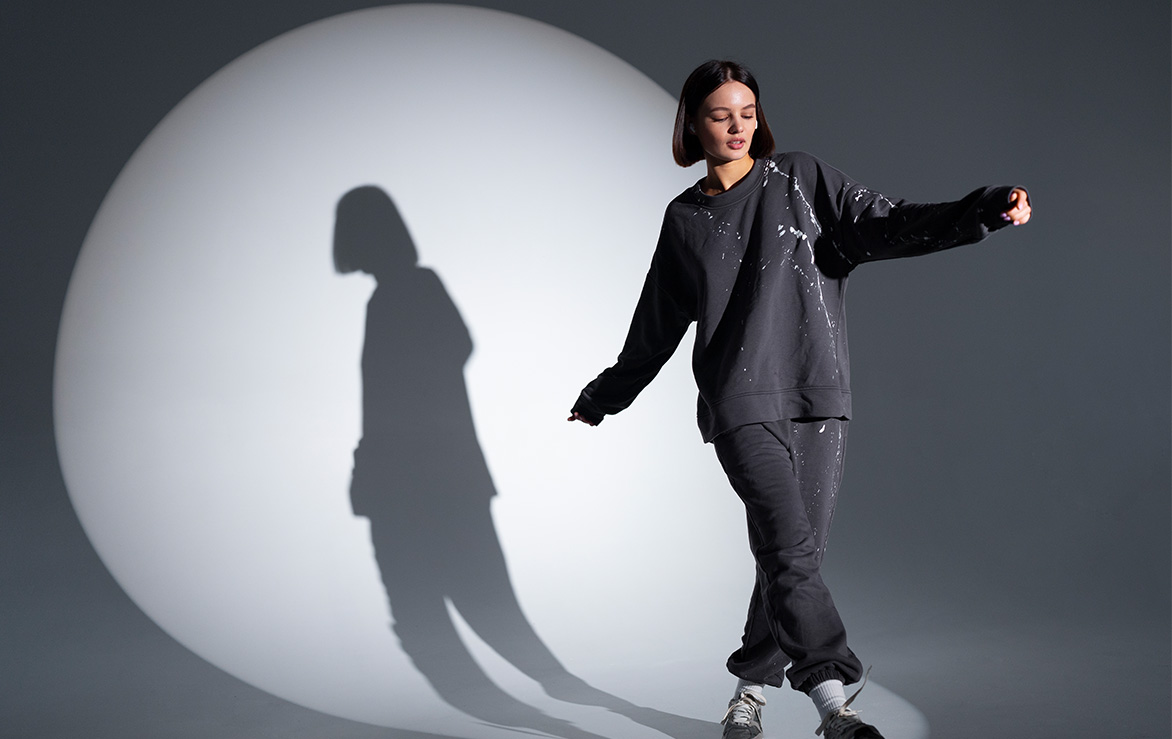
Silhouettes and Shadows: Styling for Identity
Clothing is more than surface decoration; it is a medium through which identity is shaped, expressed, and discovered. Silhouettes, the contours and shapes garments create, interact with shadows, folds, and movement to form a visual language that communicates presence and intention. Every choice in cut, volume, and drape affects how the body is perceived, how it inhabits space, and how it resonates with internal identity. Styling becomes a practice of self-realization, where each garment, layer, and line is a deliberate statement of who one is or who one seeks to become.
Shadows play a subtle yet essential role in defining the relationship between clothing and identity. They accentuate depth, reveal texture, and create contrast, transforming even minimal pieces into dynamic expressions. The interplay of light and shadow can suggest mystery, confidence, or vulnerability, depending on how the garment sits and moves. Designers consider this interplay carefully, sculpting materials to capture, bend, or diffuse light in ways that reinforce the conceptual narrative of the piece. In wearing these forms, the individual participates in a dialogue between presence and perception, crafting a silhouette that is as psychological as it is physical.
Volume and proportion are central to this dialogue. A deliberately elongated line may convey authority, drama, or introspection, while compact or contoured forms may evoke intimacy or precision. The relationship between different shapes within an outfit—the tension between structured and fluid, angular and soft—guides how movement is interpreted and how the wearer navigates their surroundings. Styling with intent requires awareness of these contrasts, recognizing that each layer and fold participates in shaping perception. Identity emerges not only through color or material but through the sculptural and performative qualities of the silhouette itself.
The emotional impact of silhouettes is amplified when combined with intentional layering and deconstruction. Subtle distortions, draped asymmetry, and manipulated forms encourage engagement, drawing attention to moments of tension, contrast, or release. Shadows cast across folds and cuts amplify these effects, creating visual narratives that change as the wearer moves. Each gesture, step, or posture interacts with the garment, producing a living, evolving expression of identity. Styling becomes a choreography of presence, where each form is a statement that communicates without words.
Texture and surface play an equally critical role. Matte, reflective, coarse, or smooth materials alter perception, interacting with light and shadow to enhance or soften the silhouette. Designers manipulate texture to emphasize contours, create visual interest, or invite tactile engagement, ensuring that identity is conveyed not only through shape but through sensory experience. In this process, garments become collaborative tools, responsive to the wearer’s movements, posture, and energy. Identity is revealed dynamically, rather than imposed statically.
Styling for identity also requires understanding context and contrast. A single piece may read differently under varying lighting conditions, in different spaces, or when paired with other forms. Designers and wearers alike consider these variables, using them to highlight, obscure, or reframe elements of the silhouette. Intentional juxtaposition between structured and fluid, opaque and translucent, rigid and pliable forms enhances the narrative potential of clothing. Shadows, folds, and negative space become as significant as the garment itself, providing depth to the expression of self.
The philosophy of silhouette-based styling emphasizes authenticity and experimentation. Identity is not fixed; it is performative, evolving with each choice, movement, and interaction. The body becomes a canvas, garments act as instruments, and shadows and light provide rhythm and tone. By approaching styling as a conscious practice, individuals can cultivate a presence that is aligned with internal perception, values, and emotional state. Each outfit is a composition, each posture a brushstroke, and each shadow a subtle accent to the ongoing self-portrait.
Ultimately, silhouettes and shadows are tools for self-expression, offering opportunities to navigate perception, emotion, and presence. Thoughtful styling transforms clothing into an extension of identity, a medium through which the intangible aspects of personality are given tangible form. The contours, cuts, folds, and interplay with shadow create a language that is both visual and visceral, allowing wearers to inhabit spaces with intention, communicate without words, and explore the multifaceted dimensions of self. By understanding and manipulating these elements, individuals gain agency over how they are perceived, while simultaneously discovering new layers of who they are.
In essence, styling with an awareness of silhouettes and shadows elevates clothing from functional object to expressive medium. It bridges inner identity and outer perception, transforms movement into narrative, and allows the wearer to articulate complexity, subtlety, and depth. Through careful attention to form, volume, texture, and light, clothing becomes an intimate collaborator in the ongoing construction and performance of identity. Shadows fall, lines move, and forms shift, but the expression remains deliberate, resonant, and uniquely personal.