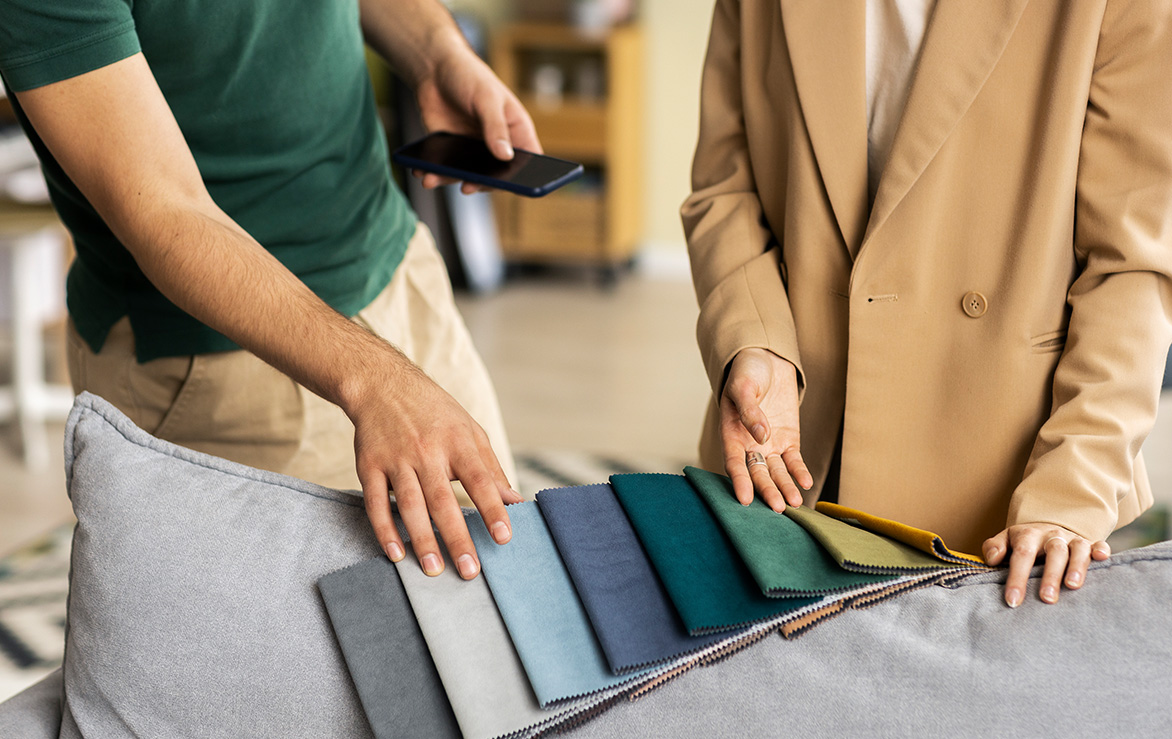
Material Matters: Choosing Fabrics for Texture and Form
Fabric is more than a surface; it is a medium through which identity, philosophy, and intention are expressed. In fashion, every choice of material carries with it a dialogue between tactile sensation, structural integrity, and visual presence. The right fabric transforms a concept into reality, dictating how a design moves, folds, and inhabits space. Texture informs the emotional resonance of a piece, while form determines its interaction with the body and environment. Understanding this interplay is essential for creating garments that are not merely worn, but experienced.
Textures communicate silently but powerfully. A coarse, rigid material conveys strength, resistance, and defiance, whereas a soft, fluid fabric evokes intimacy, vulnerability, and grace. Layers, folds, and drapes acquire meaning only through the qualities of the fabric itself. Designers approach materials not as passive elements but as active participants, each thread responding to manipulation, tension, and weight. The surface becomes a language, articulating subtle nuances that words cannot capture. Through texture, a garment can feel alive, reactive, and layered with emotion.
Form is inseparable from texture, as the two co-create the garment’s presence. A structured, stiff fabric shapes angular silhouettes that suggest power and clarity, while a flowing material encourages movement, creating dynamic and unpredictable contours. Designers consider the relationship between tension and release, understanding how a fabric’s elasticity, weight, and weave influence the visual and physical impression. Draping, cutting, and folding become explorations of geometry, balance, and volume, all guided by the inherent qualities of the material. Form without attention to texture risks emptiness; texture without attention to form risks chaos. Only in their union does a piece gain coherence.
Material choice extends beyond immediate aesthetics; it encompasses philosophy, intention, and purpose. Each fabric carries its own history and potential, demanding respect and understanding. Lightweight textiles may suggest freedom, delicacy, or vulnerability, while dense, rigid weaves may assert permanence, protection, or authority. Designers consider how fabrics age, respond to wear, and interact with the body’s movement, ensuring that every choice supports the envisioned narrative. The ethical and tactile qualities of materials also inform the dialogue between the creator and the wearer, providing subtle cues about intention and care.
Exploration of unconventional or mixed materials is central to pushing boundaries. Combining opposing textures—soft with hard, smooth with rough, matte with lustrous—creates tension that challenges perception and expectation. These juxtapositions reveal the garment as a constructed experience, not merely a visual object. Designers experiment with layering, folding, and manipulating surfaces, letting the material dictate potential shapes and movements. Each experiment is a conversation between intuition and technique, allowing new forms to emerge organically from the inherent qualities of the fabric.
The process of selecting materials is both analytical and instinctive. Designers study the technical properties of fibers—their density, weave, stretch, and drape—while simultaneously responding to sensory impressions of touch, weight, and sound. The creative dialogue is continuous: how does this material breathe? How does it react under tension? How does light interact with its surface? Such questions guide choices that balance conceptual rigor with tactile poetry. Material becomes an active collaborator in shaping both the garment and the wearer’s experience.
Sustainability, longevity, and authenticity are increasingly central considerations in material selection. Fabrics that endure physically and conceptually support the philosophy of garments as lasting statements rather than disposable objects. Material selection becomes a reflection of intentionality, a deliberate commitment to craft and thoughtfulness. Every fold, every cut, every drape resonates with significance when the fabric aligns with the underlying vision. This attentiveness elevates a piece from a functional item to an artifact of expression.
Ultimately, mastery of texture and form requires a deep, intuitive understanding of materials. The designer’s role is to listen, observe, and respond, allowing each fabric to reveal its potential while maintaining control over the vision. Garments that emerge from this process are immersive experiences—they move, bend, and react in ways that transcend mere clothing. Through deliberate attention to material, designers create pieces that inhabit space, convey philosophy, and communicate identity without uttering a single word.
Material matters because it is both the foundation and the voice of design. Texture and form are inseparable, each shaping perception, emotion, and interaction. By choosing fabrics with care, respecting their properties, and embracing their potential, designers produce work that is intentional, evocative, and transformative. In the hands of a skilled creator, material transcends functionality to become a language, and garments become living statements, sculpted from threads, folds, and philosophy.